


-

Add: HeBei ShengShi HongBang Cellulose Technology CO.,LTD.
-

Email
13180486930@163.com -

CONTACT US
+86 13180486930




Hydroxypropyl methylcellulose, commonly abbreviated as HPMC, is a pivotal compound in various industries due to its multifaceted properties. Specifically, the variant HPMC K100 has become a critical ingredient in sectors like pharmaceuticals, construction, food, and cosmetics. As a seasoned SEO expert, providing insights into HPMC K100 aims to enhance understanding and offer readers a comprehensive analysis rooted in experience, expertise, authoritativeness, and trustworthiness. HPMC K100, distinguished mainly by its high viscosity and thickening capabilities, plays a monumental role in the pharmaceutical industry. Its use as an excipient is fundamental for producing controlled-release formulations. With years of experience in pharmaceutical product optimization, professionals recognize that HPMC K100’s uniformity and consistency contribute significantly to the stability and bioavailability of the active ingredients in medications. Clinical studies support this, highlighting how its gel-forming properties are crucial in prolonging drug release and improving patient compliance. In construction, HPMC K100 is indispensable for its adhesive and water-retentive characteristics. Construction experts acknowledge its value in enhancing the workability and performance of cement-based materials, such as tile adhesives, plasters, and mortars. Its ability to retain water ensures optimal hydration of cement particles, thereby improving the overall strength and durability of the structures. Seasoned builders and construction specialists emphasize that using HPMC K100 in cementitious applications results in smoother finishes and reduced cracking, showcasing its indispensable role in modern construction projects. The food industry benefits from HPMC K100's versatility as a dietary fiber and a stabilizer in a wide range of products. Nutritionists and food scientists trust its efficacy in improving the texture of gluten-free products, enhancing mouthfeel, and maintaining moisture. This results in a superior and longer-lasting product . Moreover, HPMC K100's function as a low-calorie fat substitute in processed foods addresses consumer demands for healthier alternatives without compromising taste or texture. Ongoing research and development in the food sector continue to demonstrate its potential in new applications, reaffirming its authority and reliability as a food additive. hpmc k100 In the realm of beauty and personal care, HPMC K100 is lauded for its ability to effectively improve the viscosity and stability of formulations such as creams, lotions, and shampoos. Cosmetic chemists and dermatologists have consistently relied on HPMC K100's innovation to deliver products that meet the highest standards of quality and safety. Its non-toxic and skin-friendly properties make it an ingredient of choice, enhancing product efficacy while ensuring consumer safety. The innovative applications of HPMC K100 across these diverse industries underline its significance and authority as a multipurpose compound. Its well-documented benefits and reliability across various professional use cases highlight its credibility. Trust is built not only through its proven technical merits but also by adhering to stringent quality and safety standards in manufacturing processes. A robust understanding of HPMC K100 is essential for professionals seeking to innovate and optimize product formulations effectively. Leveraging its unique properties can lead to pioneering solutions that cater to evolving consumer needs and industry demands. As industries continue to develop and refine applications for HPMC K100, maintaining an authoritative and informed perspective is crucial for staying competitive and meeting the complex challenges of today's market landscape.
- 40000tons

Production
- 20+years

Experience
- 5000+㎡

Acreage

-
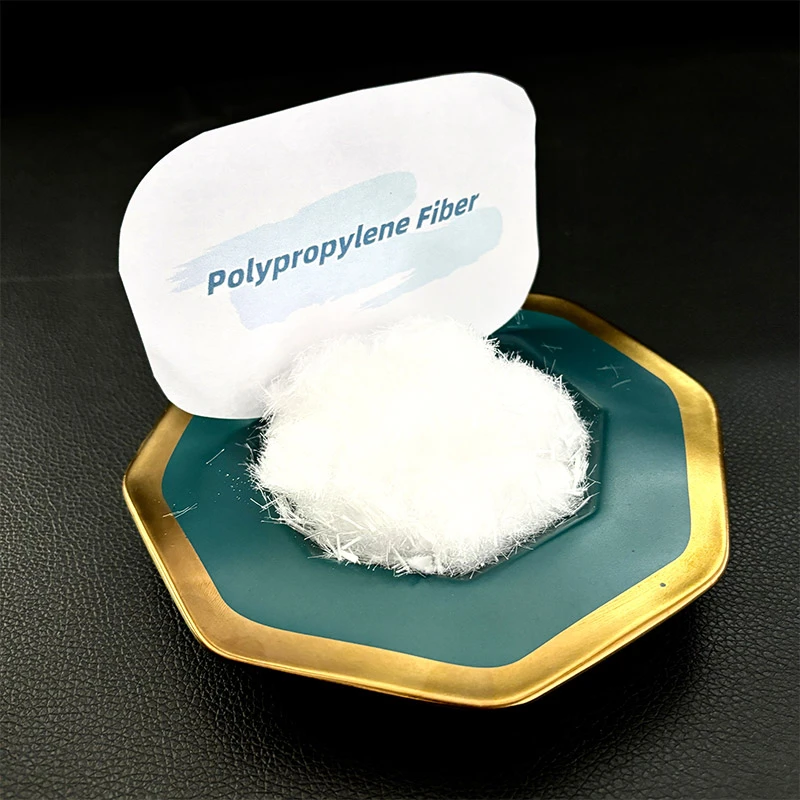
Hydroxypropyl methylcellulose (HPMC) is widely recognized in the realm of product formulation, particularly in pharmaceuticals, cosmetics, and food industries. Its unique properties make it indispensable, and its applications stretch far beyond its conventional uses, driving innovation across sectors. HPMC stands out primarily for its versatility and efficiency. Pharmaceutical companies frequently use it as a controlled delivery component in tablet formulations. Its ability to form a gel upon contact with water allows for sustained release of the active ingredient, which enhances patient compliance and optimizes therapeutic effects. This quality ensures that medications maintain efficacy over a prolonged period, delivering consistent dosage and reducing side effects. In the cosmetic industry, HPMC is lauded for its exceptional viscosity and texture-enhancing capabilities. It serves as a thickening agent in lotions and creams, providing consumers with a smooth application experience, which is central to customer satisfaction. Furthermore, its non-irritating nature makes it ideal for sensitive skin products, boosting the trustworthiness of formulations containing it. The impact of HPMC extends to the food industry as well, where it is valued for its role as an emulsifier, stabilizer, and thickener. Its inclusion in gluten-free foods, in particular, helps mimic the texture and crumb structure of traditional wheat products, overcoming one of the most significant challenges in gluten-free baking. By improving mouthfeel and moisture retention, it enhances the sensory attributes of gluten-free products, meeting consumer expectations for quality and taste. The multifaceted uses of HPMC are supported by a robust body of scientific research. Studies highlight its compatibility with a wide range of active ingredients and its biodegradability, which aligns with the growing environmental consciousness among consumers and manufacturers alike. Its safety profile is well-documented, with numerous regulatory bodies approving its use across different markets, reinforcing its authoritative standing in product formulation. kegunaan hydroxypropyl methylcellulose Professionals across industries rely on HPMC due to its unparalleled expertise in improving product quality. Its capacity to bind, stabilize, and control release positions it as a superior alternative to other less effective compounds. The ease of integration into existing processes without compromising product integrity underscores its indispensable role in modern manufacturing. Real-world testimonials from industry leaders consistently highlight the reliability and consistency of HPMC in achieving desired product outcomes. These testimonials not only underscore its efficacy but also enhance consumer confidence. Whether it's enhancing tablet performance, stabilizing a cream, or improving the texture of baked goods, HPMC has proven to be a trusted and reliable component. The future of HPMC looks promising, as ongoing research continues to explore novel applications and optimizations. Innovations in encapsulation techniques and sustainable production methods point towards even greater utility and efficiency. For companies focused on delivering high-quality, effective, and sustainable products, HPMC remains a cornerstone of successful product development. In summary, Hydroxypropyl methylcellulose stands as a testament to innovation and trust in product formulation . Its proven track record across multiple industries not only attests to its versatility but also solidifies its reputation for safety and efficacy. As markets evolve and consumer demands become more sophisticated, HPMC's role is poised to expand, supporting a new generation of products that are effective, safe, and environmentally responsible.
-
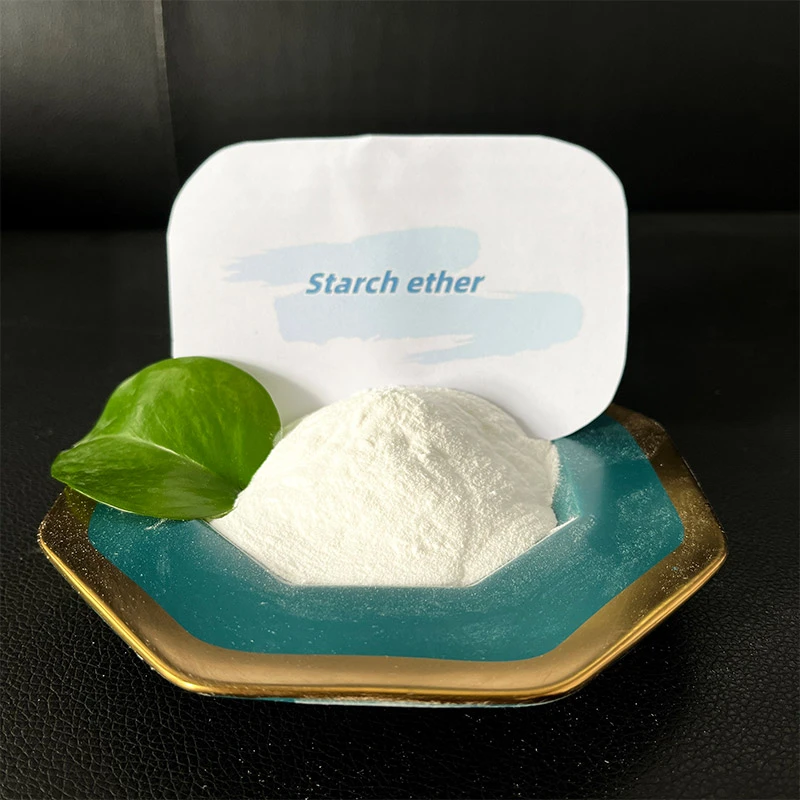
The Role of Modified Starch in Food and Industrial Applications Modified starch has become a significant ingredient in both the food industry and various industrial applications. With its versatility and functional properties, modified starch plays a crucial role in enhancing the texture, stability, and overall quality of products. This article explores the types, benefits, and applications of modified starch, highlighting its importance in modern production processes. What is Modified Starch? Modified starch refers to starch that has been physically, enzymatically, or chemically altered to enhance its properties and functionality. Common sources of starch include corn, wheat, potato, and tapioca. The modification process aims to improve characteristics such as solubility, viscosity, and stability under varying pH levels and temperatures. There are several methods to modify starch, including 1. Physical Modification This involves processes like heating, cooling, or extrusion. These processes can alter the starch structure without the use of chemicals. 2. Enzymatic Modification Enzymes are used to change the structure of starch, improving its functionality while maintaining its natural characteristics. 3. Chemical Modification This method uses acids, alkalis, or other chemicals to create new derivatives of starch, resulting in specific properties that are beneficial for targeted applications. Benefits of Modified Starch The modification of starch provides several benefits, including 1. Improved Solubility Modified starch can dissolve easily in cold water, making it ideal for instant foods and sauces, where quick preparation is essential. the modified starch 2. Enhanced Thickening Properties Modified starch can create stable gels and emulsions, providing desirable textures in products like puddings, dressings, and gravies. 3. Increased Stability It helps stabilize products against changes in temperature and pH, essential for products that need to withstand processing conditions or extended shelf life. 4. Better Freeze-Thaw Stability Modified starch prevents texture changes in frozen products, ensuring a consistent quality when thawed. This stability is crucial for frozen foods, dairy products, and sauces. Applications of Modified Starch 1. Food Industry Modified starches are widely used in the food sector for thickening, stabilizing, and gelling. They find applications in - Dairy Products Modified starch helps in maintaining texture and stability in yogurt, ice cream, and cheese products. - Bakery Goods It enhances moisture retention and improves the shelf life of bread and cakes, providing a desirable texture. - Sauces and Dressings Provides a smooth and stable consistency while preventing separation. 2. Industrial Applications Beyond the food industry, modified starch has significant applications in other sectors, including - Paper and Textile Industries Utilized as a binding agent, it enhances the strength and quality of paper products and fabrics. - Pharmaceuticals Modified starch serves as a filler or binder in tablets and capsules, playing a vital role in drug formulation. - Cosmetics It is used in various cosmetic products as a thickener and stabilizer, improving the texture of creams and lotions. Conclusion Modified starch is an invaluable ingredient that enhances the quality and functionality of a wide range of products. From the food industry to pharmaceuticals and textiles, its versatility makes it a preferred choice for manufacturers aiming to improve their product offerings. As technology advances and consumer demands evolve, the development of new modified starches will likely continue, ensuring that this ingredient remains at the forefront of innovation in both food and industrial applications. With its myriad benefits, modified starch is poised to play a vital role in sustainable and high-quality production processes for years to come.
advantages
-

200000 Viscosities
Excellent product
We can produce pure products up to 200,000 viscosities
-

40000 tons
High yield
We don’t stop production all year round, and the annual output can reach 40,000 tons
-

24 hours
Quality service
We provide 24-hours online reception service, welcome to consult at any time
———— Inquiry Form
Schedule A services

-
 hpmc_k_100_m
Oct . 25, 2025
Retained eye comfort is often a top priority for individuals dealing with dry eyes. Among the myriad -
 what_is_hpmc_made_from
Oct . 25, 2025
Utilizing Hydroxypropyl Methylcellulose (HPMC) in Skim Coats Expert Insights Hydroxypropyl Methylcel -
 rubber_powder_wikipedia_manufacturing_process
Oct . 25, 2025
Navigating the Complex World of Rubber Powder Buyers Rubber powder has emerged as a crucial industri


